

The tech scam advertised by the news
And why that's pretty common, actually.

No, you can’t get unlimited internet for a one-off $50, but here’s why some people might think you can.
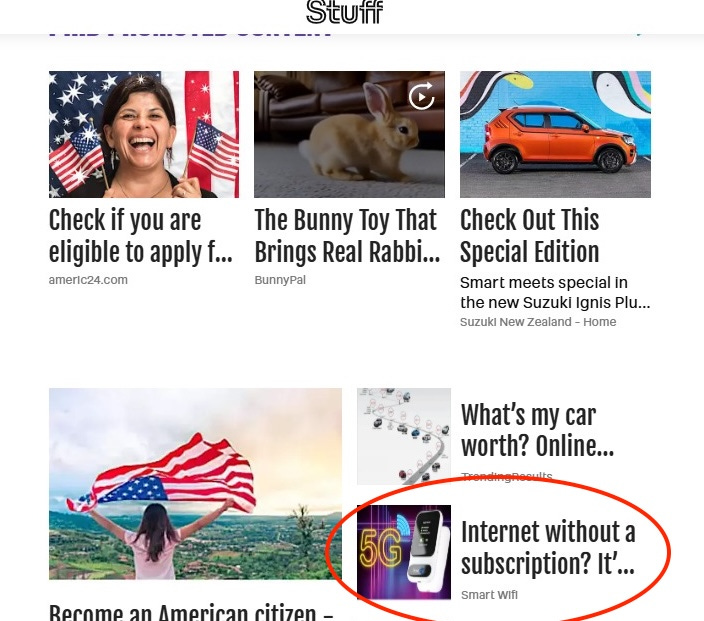
A friend of mine recently suggested I look into an ad on reputable news site Stuff.co.nz. The ad was for something called Smart Wifi, a product sold by Native Discount, a company I soon learned specialises in scamming people.
Native Discount claims its Smart Wifi product provides “unlimited internet access, anywhere in the world” for a one off cost of 49 New Zealand dollars - that’s about 30 USD or 25 Euro.
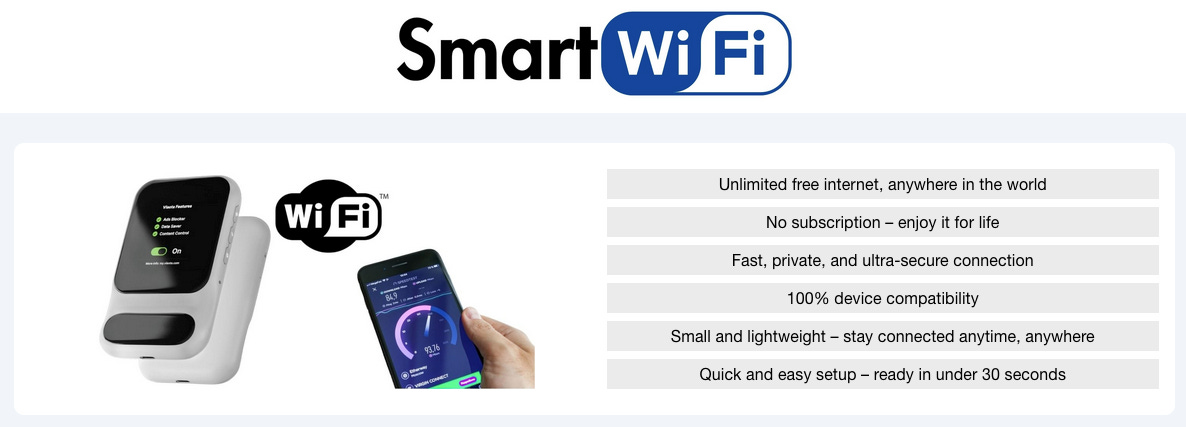
Where I live in Aotearoa New Zealand, as in most countries, making false claims about the capabilities of a product you’re selling is illegal.
That alone makes it worth pointing out their despicable behaviour, but as I looked into the scam I soon learned how surprisingly effective it was. I couldn’t help by wonder why it was so effective and how it ended up on a reputable news outlet’s website.
So come with me as I dig into the claims that Native Discount is making, the tech they say they’re using, and what people who make the purchase are really getting.
Plus, the approach to digital advertising that enables these scammers and what it tells us about the world we’re living in.
The “advertorial”
My friend sent me a screenshot of the ad as they saw it on the news outlet’s website.
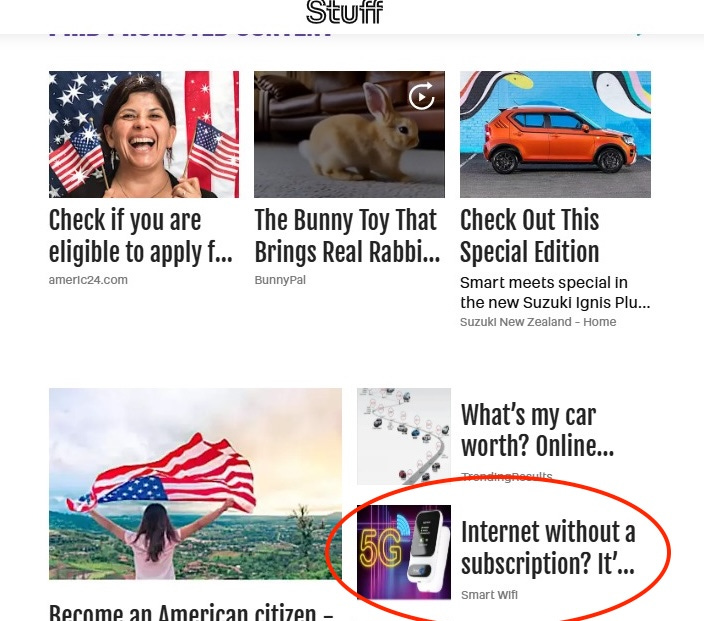
Stuff works with a several ad supplying companies to ensure the ads displayed on its website are legit. This one was served by Outbrain.
While Outbrain didn’t reply to my request for comment, Stuff gave me a thorough response which we’ll cover later in the story.
But back to the ad. Clicking it takes those tempted by such a deal to a page that looks kind of like a news article.

This article is designed to look like a sponsored story, or an advertorial, on a real tech news website.
It claims that an ex-SpaceX engineer called Alex Morel started a company called Orbitnet. That he launched a satellite in 2023 to bring cheap internet to everyone out of the kindness of his heart. He is quoted in the article saying: “my goal is to eliminate financial and geographical barriers once and for all.”
The article goes on to say that Morel is selling super cheap access to this network to drum up publicity for his company.
While a rich tech bro doing anything out of the kindness of their heart should be a major tip-off, the idea behind the article is to appeal to the concept of getting in on the ground floor of something massive.
To be clear, this is not a real news article or even a real advertorial.
Every single thing on this page is a lie and it’s so many layers of fakery deep, it’s hard to keep track.
First, advertorial implies that it’s paid content from a news outlet - it’s not. There is no tech news outlet called Techno Mag.
There is a European outlet called Techno Mag but it’s about techno music, not techno-logy.

Second, despite claiming to be an outlet called Techno Mag, the article is hosted on the domain nativediscount.com. Real outlet names will match the URL where they’re found.

Third, the author of the piece, Laurent Loison, isn’t a real person, though there are people who do have that name.

Fourth, ex-SpaceX engineer Alex Morel doesn’t exist, which means he likely never started a company called OrbitNet.

I could go on, but the point is that it’s all lies.
Native Discount isn’t even the actual company’s name as, according to its legal disclosure page, it’s called Native Agency LLC and is based in the United Arab Emirates.
What is unequivocally true is that it is a company made up of morally bankrupt scumbags.
But annoyingly, they are quite clever morally bankrupt scumbags who have combined a bunch of exploits in the modern world.
The internet lets them quickly create a fake news outlet; confusing messaging around tech lets them make misleading promises; and a constant stream of stories about solo geniuses changing the world has created unrealistic expectations about what one person is capable of.
It’s honestly just good marketing.
The real tech behind the false claims
By disguising this as a genuine paid story on a real news website, they have convinced people that a man launched a single satellite in 2023 and, as a result, is able to offer “FREE, high-speed internet for life”.
As an aside, this whole thing stands as evidence that knowing a bit about tech is actually quite important.
Satellite internet is actually more than 20 years old, but in the last five it has exploded in prevalence and popularity.
Newer iPhone models can now use satellites to relay messages when users are out of service, and internet service providers (ISPs) are making deals with companies like Starlink and others to offer customers satellite-based connectivity.
In my home country, a recent cyclone took out power to a bunch of cell sites and a local provider called One NZ (a name I do not enjoy), was able to use that exact tech to keep people connected when cell towers went out.
It’s genuinely cool tech that some people describe as “cell towers in space”, which is a bit dramatic but also pretty accurate – and it reminds me of The Muppets, which I like.

The point is, the tech is real and to many people, it might make sense that someone has figured out how to make internet cheaper or even free this way
But there are a few dead giveaways on this “article” that what they are offering is nonsense.
First, it’s too good to be true.
If there was a way to get free unlimited high speed internet for life anywhere on Earth, it would be shouted from the rooftops of every major tech news outlet for miles, not in a small, square internet ad and not in a badly written advertorial.
Second, a single satellite can’t provide constant connection.
A device or satellite base station needs line of sight to a satellite to connect, and satellites have this nasty habit of going to the other side of our notably spherical planet.
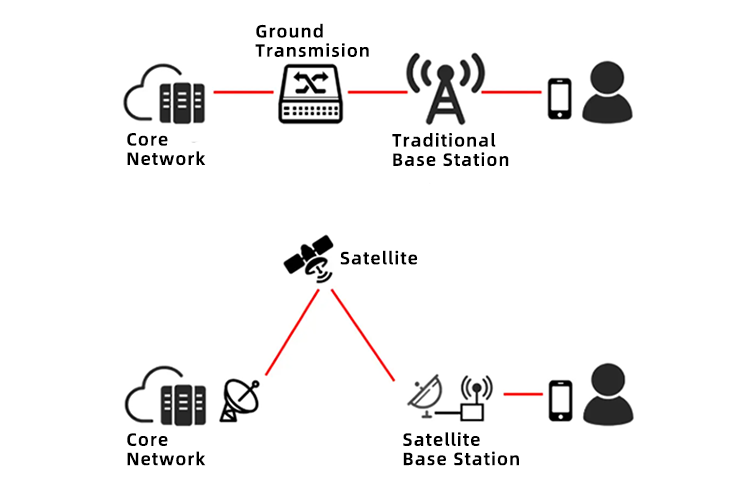
Think about how a home wifi signal can have trouble with walls, and then think about having 5.9722x1024 kg of earth between you and the satellite. It’s just not going to work.
Third, one satellite can’t provide high-speed connections to that many people.
Both iPhone’s built in satellite service and One NZ’s satellite service are currently limited to sending SMS text messages, which require very small amounts of data.
Starlink’s high-speed broadband service, which requires specialised satellite dishes to get a signal, comes from about 7,000 satellites working together.
While there’s a lot more detail that we could go into, and I encourage you to do so if you’re interested, that’s all you need to know to have a basic grasp of this tech and be able to gut check whether claims are too good to be true.
The bait and switch
Unfortunately, there have been people who fell for this scam. Looking on review site TrustPilot, someone who ordered the product said, “What they sent was an outdated hotspot gadget which requires a data loaded SIM card to access the internet”
There are so many reviews there like that, with several new ones each month. Add to those unknown number of scammed people who don’t leave a review and you can see how effective the scammers’ marketing is.
So what are these nasty people actually selling?
According to multiple reviews and social media posts, those who place an order will likely get a cheap hot-spot device. And they’d be lucky if it was even the one in the advertising, which is from a company called Ryoko but with the brand name edited out.
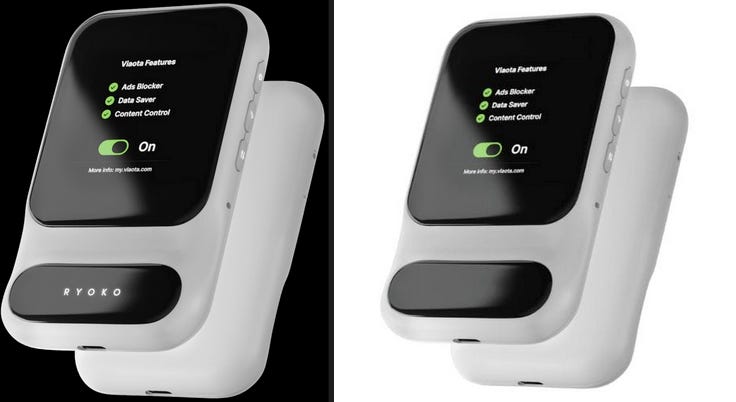
People who buy the device get a portable wifi router that uses the same kind of internet connection as a standard cellphone. It requires a paid subscription to a provider who gives you a sim card to go into the device.
And if they complain via the contact form, that’s what they get told.
In fact, when I contacted Native Discount about the device, they said: “this product offers portable Wi-Fi connection. However, it is essential to insert a SIM card inside for it to work properly. Without a SIM card, the product cannot be used.”
If anyone pushes back on this, the bad reviews show that the company will tell them to post the device back to them, which is prohibitively expensive.
This may be an attempt to skirt around false advertising law, but it’s one I doubt would hold up in court.
I asked if I could talk to someone senior from Native Digital or even Alex Morel, the fake engineer. They said they could only do email as their phone service was under maintenance.
I asked if I could video call, pointing out that it shouldn’t be an issue as they have unlimited free internet. They ignored that completely.
When I asked how I would get the free unlimited internet anywhere in the world through Orbitnet, as they claimed in their marketing, I got told they had to “contact the department for more information.”
Needless to say, I haven’t heard back.
But wait, there’s more!
So that’s the scam. Or at least, it’s ONE scam. Because this is not the only scam the shady group of losers is running.
In my research I came across this incredibly familiar-looking “article”.

Wait, is this for a streaming device that uses… a 3.5mm headphone jack? Oh no, it’s HMDI. Or is it?
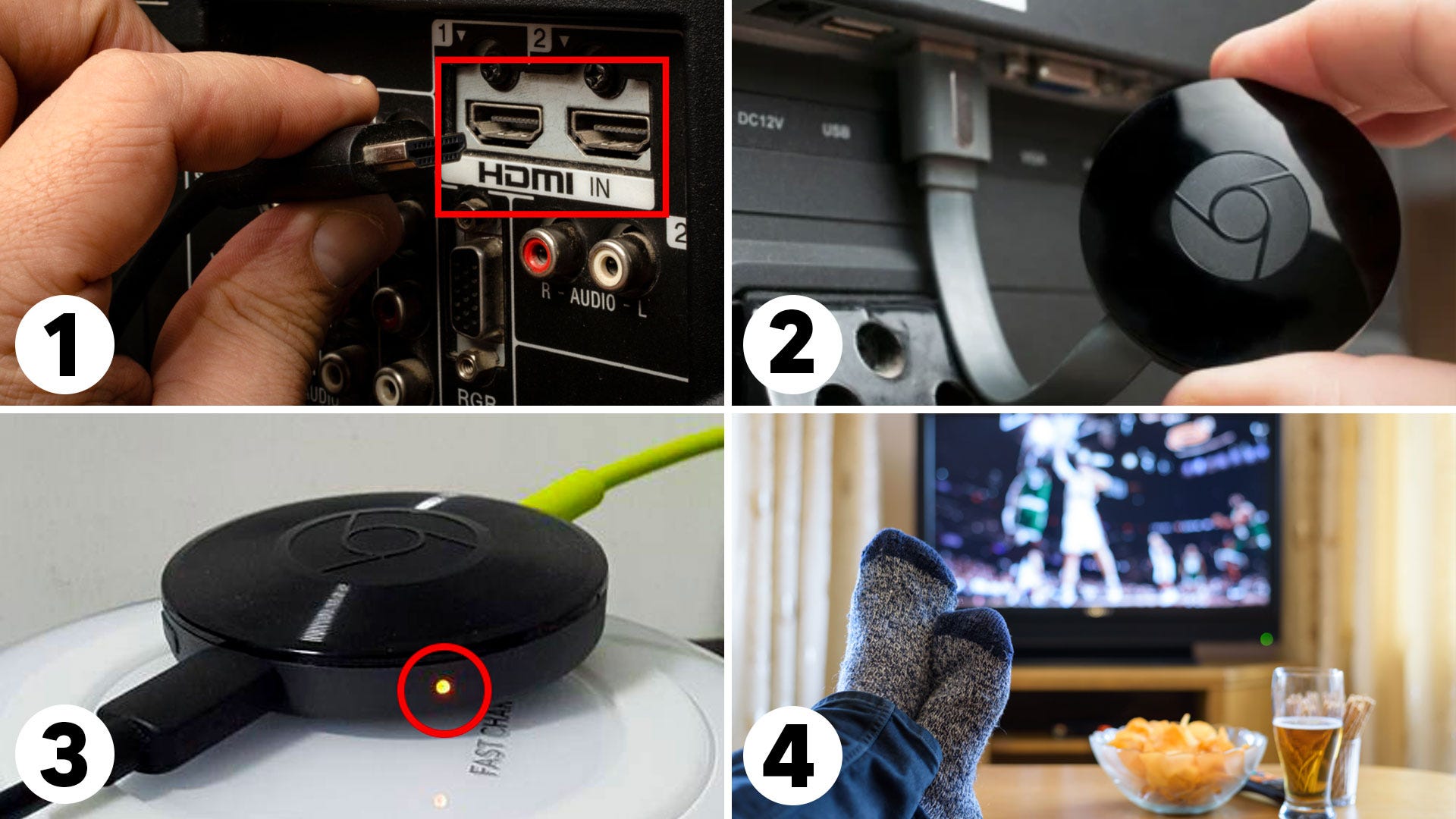
This scam promises access to “all available channels and streaming applications” by “purchasing thousands of channel and application accesses and then utilizing artificial intelligence to redistribute them to the boxes”
That’s just… not how any of this works.
If you like, I can do another article on why that bunch of crap is a bunch of crap, but I feel like that’s probably more obviously a scam to most people.
That’s not to say it doesn’t work on some people – the most vulnerable in particular.
One 92-year-old at least had the wherewithal to ask for help on JustAnswer.co.uk and thankfully was steered away from the scam.
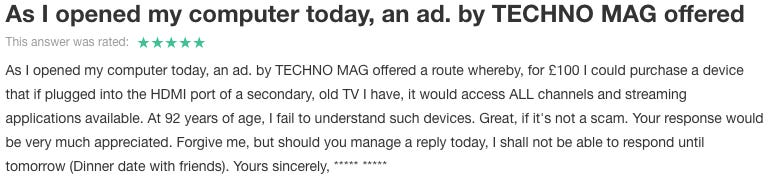
Adorably, this person also “printed 10 A4 pages of detail relating to the advertisement” and asked if they could mail them to the wonderful forum team so they could “reach a positive conclusion regarding authenticity”.

Man, I can’t wait to find out what quaint, antiquated stuff I come out with when (if) I reach my 90s.
While I’m very fairly pointing the finger at Native Discount, this streaming scam was under a completely different name – TV Evolution box, despite obviously not being a box – but it’s clearly the same scammers.
Don’t put your details in there
Before I start bringing it all together, it’s also worth mentioning the payment page: it’s another dead giveaway that they are scammers.
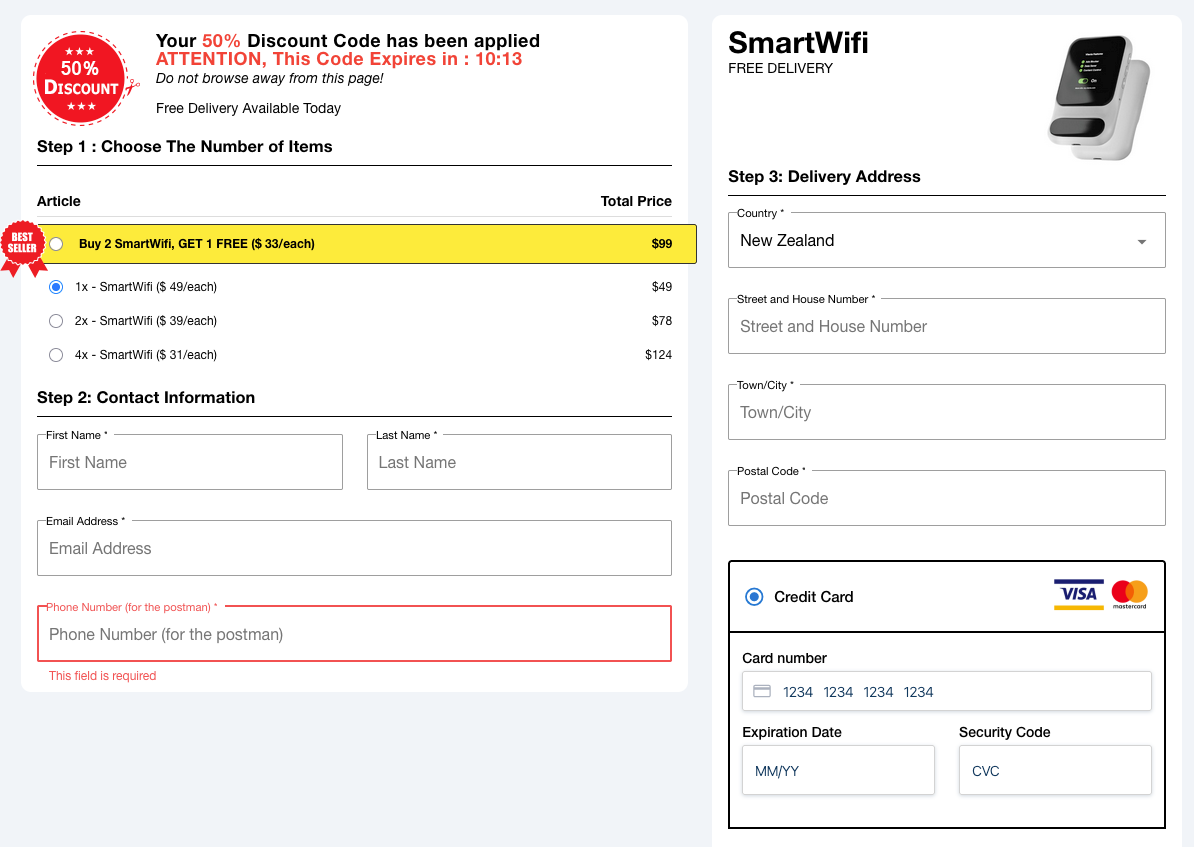
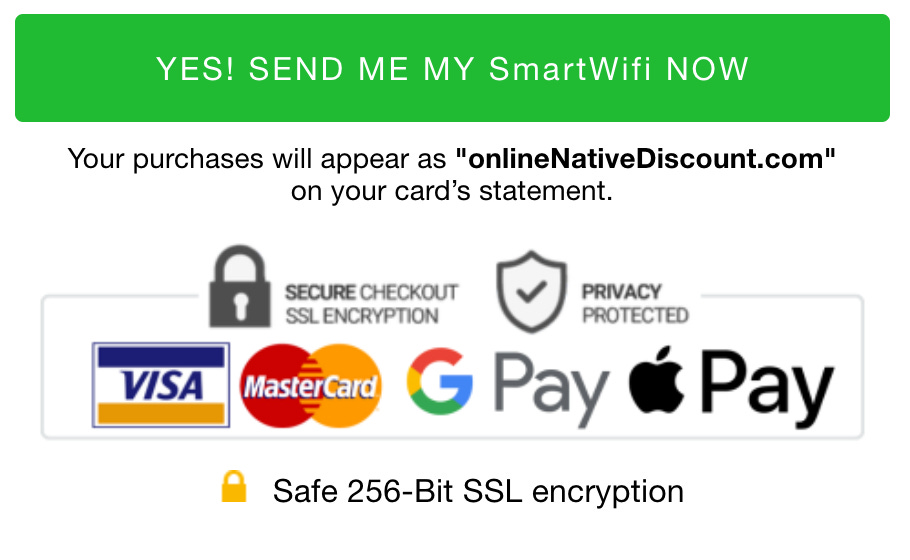
When you’ve got info and payment fields sitting amongst advertising and whatever else, not behind a recognisable payment gateway, it’s absolutely a scam.
Funny story – the guy who made this payment site for the scammers left his info in the source code so: Mudassar Ali of eGooty, I hope you feel really bad about making this junkass, insecure, scam, crap website. I hope you really needed whatever they paid you.

If you have a 92-year-old in your life, it might be worth having a quick check in with them about clicking on internet advertising – even if it’s on a reputable site.
Which brings me to my next point.
How does this get on the news?
Stuff.co.nz, as I said earlier, is a very reputable news outlet in NZ (no I don’t want to talk about trust in mainstream media right now, maybe later thanks) and yet it had a scam advert directly on its website.
Stuff sells advertising space to companies like local ice cream biz Kāpiti selling their coffee flavoured ice cream, which believe me, is no scam. Neither is their raspberry and white chocolate.

But they also use automated advertising services from several companies, including digital advertising monopoly/monopsony Google, and lesser-known firm Outbrain.
I’m by no means an expert here, but while there are some differences between the two, essentially they both use data about the website and/or the user to display ads they think will be suitable.
Side note: This data is collected through the crumbs you leave behind when you surf the internet such as your IP address, where you log in with certain accounts, what social media posts or links you’ve clicked on, and other more arcane ways that are increasing unavoidable. Not using the Chrome browser is a good start if you want diminish this footprint (I’m a fan of Mozilla Firefox).
Trust me, bro
The SmartWifi advert was served to my friend by Outbrain and while I don’t know exactly how much user data they use, they at least make an effort to fit their advertising in with the rest of the content on the site.
A news site, therefore, would likely want to be sure they’re not promoting fake news and scams, for example.
Outbrain outlines its advertiser guidelines on a page that starts by yelling “Trust & Authenticity” at you.

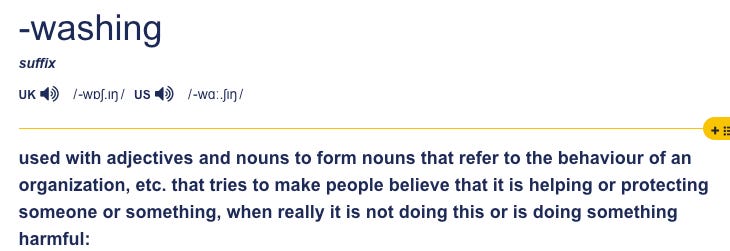
As someone who spends a lot of time sifting through bullsh internet claims, this comes across as a little bit “The lady doth protest too much, methinks”, or to be a little less 16th century about it, in my opinion, it feels like trustwashing.
Native Discount, the scammers, made their scummy lying website look like an article because they want to come across as legitimate and bypass any walls that Outbrain and stuff have in place.
Putting “Advertorial” at the top adds a wafer thin sheen of authenticity because claiming something is an advert makes people (and algorithms I would assume) expect more marketing-esque language.
Scroll down on Outbrain’s guidelines and you’ll find this under “Prohibited categories”.

That fake advertorial was maybe the fakest-ass news I’ve ever seen. It’s so obviously fake that any human verifier would definitely have caught it, and so it can only have been our glorious AI overlords that let us down in this situation.
Regardless, the ad appeared on Stuff, a legitimate news website, which lends legitimacy to the advert and could have caused Stuff’s own readers to lose their hard-earned money – a situation I can’t imagine Stuff would be happy with.
Good Stuff
When I contacted Stuff, they confirmed my suspicion that this was a situation where something managed to slip through the cracks, despite controls being in place.
The outlet’s communications team said that the outlet works with multiple advertising partners and runs “thousands of ads through the day”.
Thousands. That’s a lot of ads. No wonder it’s tough to control.
Stuff’s team said that to ensure compliance with the Advertising Standards Authority, they have “a number of rules in place to control the advertising we serve - including brand, category and URL blocks.”
They then provided me the perfect segue into my next point:
“These blocks are ever evolving to adapt to the changing advertising environment, to manage new advertisers and categories. In this instance, it appears this is a new advertiser where our default settings have not led to an immediate block despite it not meeting our quality standards.”
If you talk to anyone in cybersecurity (and I’ve talked to a LOT of people in cybersecurity) and they will always tell you the same thing: it’s an arms race.
As fast as companies are putting systems and processes in place to filter out scams, scammers (or threat actors, as the cool cybersec people call them) are figuring out how to game the system just as fast.
My guess would be that by having the “Techno Mag” title as an image, rather than text, it probably doesn’t get flagged as potentially fake news even though it clashes with the domain.
On top of that, Native Discount or Native Agency or whatever also seem to sell other cheap, barely functioning crap but without the dramatically false claims.

This probably lets them slide by certain checks that see them as just another scummy dropshipper (someone that sells cheap Chinese products at a markup and then gets it delivered to the buyer straight from China), rather than the full on scammers they actually are.
Stuff’s comms team finished up saying: “We have remedied this and it will now help inform our future advertising policies. We take our responsibility as publisher extremely seriously and work as closely as possible with our advertising partners to ensure a safe environment for our audiences.”
Realistically, the only thing that Stuff could do to avoid these moments completely is avoid having automated ads on their site altogether, but the reality is that they can’t because the news industry is suffering.
It’s bloody hard out here
Earlier this year, I got made redundant from my job as a tech reporter (not for Stuff) so I know more than many that Stuff needs whatever revenue it can make to keep paying journalists to do actual reporting.
I don’t know what percentage of Stuff’s revenue comes from Outbrain ads, but it must be something or else they wouldn’t bother.
They have to balance the value of producing news with the possibility of the occasional scam slipping in among the thousands of ads they show a day.
Scammers use this desperation for revenue to game these systems, knowing it can give their scams a little halo effect, not just on Stuff but the dozens of outlets that uses automated digital advertising worldwide.

Scammers manipulate algorithms so they can slip between the cracks and lay their dirty false claims like so many cockroach eggs on legitimate websites.
And the eggs they lay are designed to take advantage of the fact that news outlets aren’t the only ones hurting financially.
People everywhere are broke right now. I know I am. I’ve been forced into self-employment at maybe the worst possible macroeconomic moment. Plus, I have a toddler and another baby on the way. I simply must keep the yoghurt flowing and not having to pay an internet bill every month would be so helpful.
Add on subscription creep, as everyone wants you to pay them every month for everything, and all of that money going to like five companies, while the peasants beg for scraps.
It’s no surprise scammers figured out that this is a great fake selling point for their products.
We also hear pumped up stories every day of ex-Big Tech wunderkinds creating the Next Big Thing, with assurances that it’s really hard and you wouldn’t understand so just give them your money and they’ll make it so easy!
Of course people will be willing to shell out $50 just once, instead of $30 every month.
The scammers know what buttons to press. They even know that someone like me and maybe you will immediately click off that page and laugh about how ridiculous their claims are – but you and I probably aren’t their target.
Your grandma might be. Or your friend. Or that lonely widower next door whose stagnating retirement payments and increasing costs mean he may have to just go without internet at all, if something else doesn’t come up…
So, next time someone asks you about this satellite internet stuff or AI, take the time to give them the basic info they might need, or send them this article or the video version, or any of the great anti-scam content out there that might save them from losing more money.
Good advice
Just one more thing before we wrap up: I emailed a government ministry here in Aotearoa NZ asking if they were familiar with this company and, of course, they didn’t say if they were or not. They never do.
What they did do was offer some advice.
Their comms person sent me a stock reply that I’m supposed to attribute to Ministry for Business, Innovation and Employment spokesperson Ian Caplin.
The reply said that if you buy something and it doesn’t do what was advertised, first contact the company. Good advice, but I’d add that you shouldn’t let them mess you around. Scammers will stall, deny, try to convince you that you are in the wrong, and make returns prohibitively difficult.
It also said to report the business to the government if it has breached the law, in NZ’s to the Commerce Commission. In the US, it’s the FTC, in Australia the ACCC, the UK the ASA - you can find yours with a quick search.
That’s really good advice, because even if you never hear about the complaint again, enough mass does help governments identify scammers and potentially make their lives a lot harder.
And just from me: don’t be embarrassed if you get caught out, these people are really good at what they do. Share what happened so others can learn. Might I suggest the comments of this article is a great place to do so.
But remember it’s an arms race, and so the best thing you can do to be prepared is know your stuff and help others learn too.
That’s it for my first piece. It’s not what I was expecting to launch this brand with but when my friend made me aware of it, I just couldn’t resist. A big thank you to Jem Traylen for sending me the lead on this one and getting the investigation started.
If you want more independent tech (and maybe other stuff) reporting from me, subscribe to this newsletter and follow me on Bluesky.
If you think I got something wrong or want to suggest something I should look into, drop me a line here.